What Happens if I Die Without a Will in Texas?
If you die without a valid will in Texas, the Texas statutes will determine how your property will be divided. The people who inherit for you may not be the people you would have chosen.
Texas is a community property state. Community property is defined as property either spouse acquires during marriage other than by gift or inheritance. Separate property includes all the property you owned before marriage and anything you received by gift or inheritance, even while married. The distinction between community property and separate property plays a part in who gets your property.
How Texas Intestacy Works
Here is a summary of how intestacy works in Texas:
Married with children who are all the children of your spouse. Your spouse receives all community property. Your separate personal property is divided one-third to your spouse and two-thirds to your children. For separate real property, your spouse receives a life estate in one-third. Your children receive the remainder outright.
Married with at least one child from a prior relationship. Your spouse keeps his or her one-half of the community estate. Your one-half of the community estate passes to your children. For separate property, your spouse receives one-third of your separate personal property and a life estate in one-third of your separate real property. Your children receive the remainder.
Married with no descendants. Your spouse receives all community property. For separate property, your spouse receives all separate personal property and one-half of your separate real property. The other half of the separate real property goes to your parents, or if they are not living, to your siblings and their descendants.
Not married. Your property goes to your children. IYour property will pass to your parents if you don’t have children. If one parent has died, one-half goes to the surviving parent and half to your siblings. More distant relatives will inherit if you don’t have surviving parents or siblings. If you don’t have surviving distant relatives, all your property will pass to the state of Texas.
Intestacy rules do not take into account blended families, estranged relatives, loved ones with special needs, charitable goals, or close friends. They also do not name a guardian for minor children. A will lets you make those decisions yourself and can allow independent administration, which usually reduces court oversight and cost.
Click on the following link to hear more about intestacy: what happens if you die without a Will in Texas?
What is Estate Planning?
Estate planning is more than just getting a Will or a Trust that transfers your property to your beneficiaries after you die. It also includes making sure you have trusted people in place to handle your finances and make medical decisions for you if you become incapacitated. Most Americans are living longer, but face a period of incapacity as they age. Texas estate planning makes sure people you trust have the legal authority to help you in those types of situations.
What Does an “Estate” Consist of?
When I mention the word “estate” to some clients, they usually envision a big mansion. But everyone has an estate. Your estate consists of all your property, including real estate, bank accounts, stocks and other securities, life insurance policies, and personal property such as cars, jewelry and artwork. The value of your estate is equal to the fair market value of the property minus all your debts. To learn more, read How Do I Figure Out the Value of My Estate?
Who Needs Texas Estate Planning?
Everyone in Texas needs estate planning. Whether you are rich or poor, having a Will and incapacity planning documents lets you:
- Choose who receives your property when you die, instead of how the state legislature divides it
- Name a guardian to take care of your minor children and the property you leave them
- Appoint someone you trust to handle your finances when you are unable to
- Choose the person who will make health care decisions for you when you can’t make them because of incapacity
What Estate Planning Documents do I Need in Texas?
Although a will is an important part of a comprehensive estate plan, it only takes effect after you die. It is important to have other documents in place to make sure people you trust have the authority to manage your property and make medical decisions about your medical care if you are temporarily or permanently incapacitated. In addition to a Will, I recommend four other basic documents:
Durable Power of Attorney
A Durable Power of Attorney lets you name a person you trust to handle financial and legal matters. For example, your agent can pay your bills, manage your bank and investment accounts, sign your tax returns and sell your property if they need to.
The word “durable” means your agent’s authority will continue even when you are incapacitated. If you don’t have a durable power of attorney, your family members may need a court-ordered guardianship, which is more expensive and intrusive.
Medical Power of Attorney
A Medical Power of Attorney names someone to make health care decisions when you are unable to do so. This person can talk with your doctors, discuss treatment options, and consent to or refuse treatment based on what they know to be your values.
HIPAA Authorization
A HIPAA Authorization works with your Medical Power of Attorney. Federal privacy rules limit who can see your medical information. This authorization names the people who are authorized receive updates and speak with your doctors, hospitals, and insurance companies.
Living Will
A Living Will, called a Texas Directive to Physicians in Texas, records your wishes about what type of life-sustaining treatment you want if a doctor diagnoses you with a terminal or irreversible condition. Signing an advance directive can alleviate a lot of the guilt your family may feel when making a life-or-death decision on your behalf.
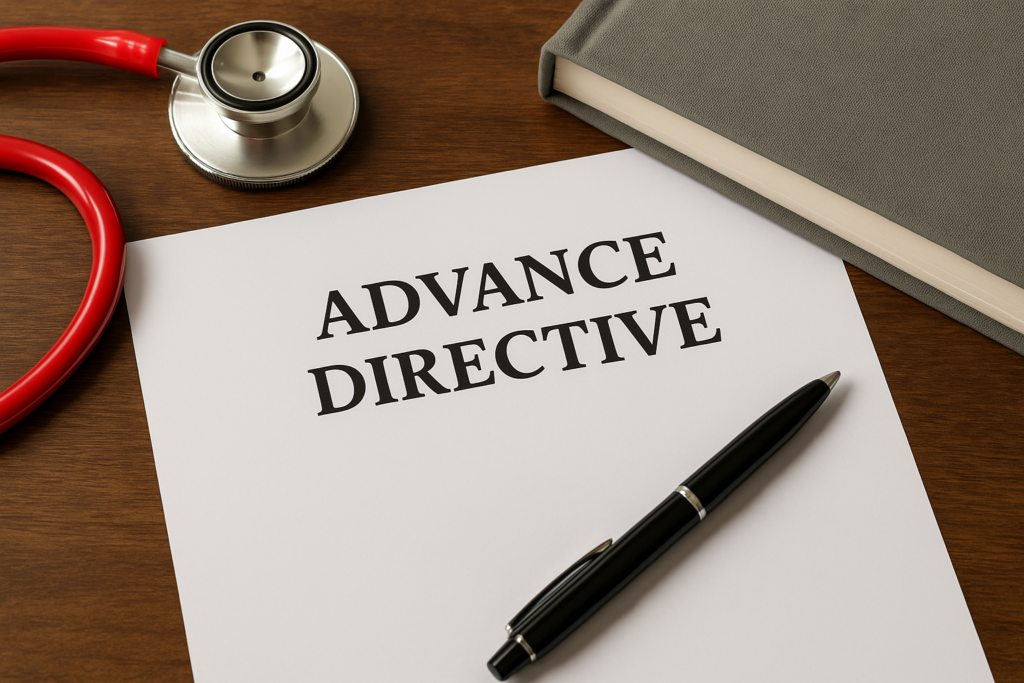
You can read more about these documents in the following article: The Five Basic Texas Estate Planning Documents.
How Often Should I Update My Estate Planning Documents?
Our lives are constantly changing, so an estate plan created ten years ago might not accomplish your goals now. Without regular updates, your Will can become outdated. That’s why you should update your plan after significant life changes like marriage or divorce, welcoming a child into your family, moving to another state, or if your wealth significantly increases.
Additionally, changes in the law may require you to update your Will, which you may not know about unless you schedule periodic reviews with your attorney. To learn more, read How Often Should I Update My Will?
What is a Revocable Living Trust?
In Texas, a trust is not a legal entity, like an LLC. In Texas, a trust is not a separate company like an LLC. It is a legal arrangement between three people. The person who sets it up is the grantor. The person who manages the property is the trustee. And the person who benefits from the property is the beneficiary.
Here’s how it works. You create the trust, that goes into effect the minute you sign it. This allows you to transfer your property, such as a house, bank account, or investments, to it during your life. While you are alive, you are usually the one who is in charge. You can use the property, change your mind, add or remove things, or even cancel the trust. You can also name a backup person, called a successor trustee. Your successor trustee can manage the trust if you become sick. After you die, the successor trustee follows your instructions and gives the property to your beneficiaries.
One of the primary reasons people create a living trust is to avoid probate. But simply creating a trust won’t avoid probate if you haven’t transferred all your property to your trust. Only the property that is actually titled in the trust avoids probate. That’s why you still need a will. Your will can name guardians for your minor children and catch anything you forgot to put in the trust and pour it into the trust after you die.
You can read about the difference between wills and revocable living trusts in this article: Will or Revocable Living Trust: Which is Best for Me?
What is Estate Tax?
Virtually every person who schedules a consultation with me is worried about the estate tax. I think it’s because many politicians call the estate tax the “death tax,” which makes people believe anyone who dies will be liable. But most of us have nothing to fear because we have not accumulated enough wealth for the estate tax to apply.
In 2025, the law allows every American to transfer almost $14 million to beneficiaries without any estate tax liability. In 2026, the exclusion amount will increase to $15 million, indexed for inflation. Unless you have at least that much wealth, you will not have to pay any estate tax.
For more details, read: Does Every Estate Have to Pay an Estate Tax?
Do I Have to Worry About a State Inheritance Tax?
No. For more information read my article “Does Texas Have an Inheritance Tax?”
What is a Living Will?
A living will, or directive to physicians, is a document that allows you to instruct your physicians not to use artificial methods to extend your life in the event you are diagnosed with a terminal or irreversible condition.
What is Probate?
Probate is the legal process by which a will is proved to be valid or invalid, though current usage of this term has been expanded to refer to the legal process in which the estate of a decedent is administered.
Generally, the probate process involves collecting a decedent’s assets, liquidating liabilities, paying necessary taxes, and distributing property to heirs. These activities are carried out by the executor or administrator of an estate.
Can I Use Legal Software to Prepare My Estate Planning Documents?
You can, but Do-It-Yourself Wills and estate planning is risky. Texas has very specific requirements about what makes a Will valid. If a will does not comply with all these requirements, it will be invalid, and your property will pass as though you never had one.
Additionally, doing your own estate planning, there is a chance you could misapply the law, use the wrong form, or prepare it incorrectly. Online DIY forms are generic, and the one-size-fits-all character of these documents will not take into account your unique circumstances or estate planning needs. Read more…
What is a Special Needs Trust?
A Special Needs Trust (SNT), also known as a Supplemental Needs Trust, is a discretionary trust that holds the property of a disabled beneficiary so that they continue to qualify for public benefits, such as Medicaid and Supplemental Security Income (SSI).
You can read more about the importance of estate planning to protect a beneficiary with special needs by reading: Estate Planning for Special Needs Children.
An experienced Texas estate planning attorney can evaluate how to best accomplish your unique estate planning goals and create customized documents that fit your unique needs.