


It is necessary to probate a Will in Texas when the estate includes assets titled in the decedent’s name.
A person who dies typically has two classes of assets: probate assets and non-probate assets.
- Probate assets are property titled in the deceased person’s name. For example, if the decedent owned a house in his name alone, that would be a probate asset.
- Non-probate assets are assets that pass to beneficiaries pursuant to contract. One example of a non-probate asset is an insurance policy. If the decedent designates a beneficiary, the proceeds of the insurance policy will pass to the beneficiary outside of probate.
Why is Probate Necessary?
The Texas Estates Code specifically says that Will is not effective to prove title to or the right to possession of any property disposed of by the Will until the Will is admitted to probate.
Having a Will that has not been probated will not give beneficiaries the right to access the decedent’s accounts, or sell the decedent’s property. Institutions where the decedent held accounts, and individuals who may want to purchase the decedent’s property want assurances that the Will is valid. They will not release accounts or purchase property without the assurances the court proceedings provide.
How Does it Work?
Probate is the process of validating a Will in order to make it effective. The statute of limitations for initiating the proceeding is four years.
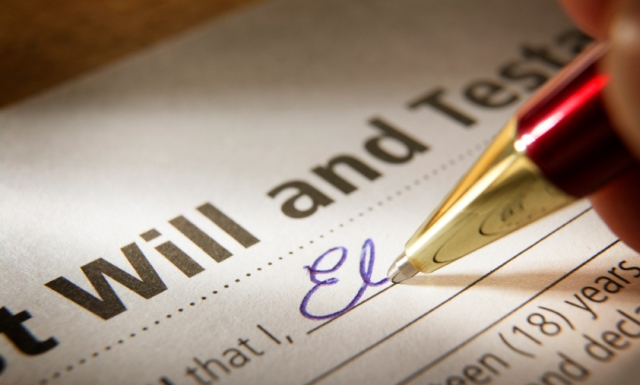
The probate process starts when an executor files an application with the court. A judge will evaluate whether the Will is valid under state law. If the judge determines that the document meets the requirements of a valid Will, the judge will enter an order admitting the Will to probate. The Will then becomes part of the public record so that all who need to know have assurances that the decedent died leaving a valid Will.
Texas has one of the simplest probate processes in the nation. If the Will requests independent administration of the estate, executors typically have to make only one appearance before a court.
During that appearance, the court will issue Letters Testamentary to a qualified independent executor. Letters testamentary authorize the executor to act on behalf of the estate. The executor will then be able to gather assets, pay off legally enforceable debt, and distribute the assets as specified in the Will without court supervision.
Can You Transfer Property Without Probate in Texas?
Probate is not necessary for some types of property. For example:
- Life insurance proceeds, IRAs, pension plans and retirement accounts that pass directly to designated beneficiaries.
- Property held in accounts with others as joint tenants with rights of survivorship pass directly to the survivors without a court proceeding.
- Property held in trust will pass under the terms of the trust.
- Transfer on Death Deeds and/or Lady Bird Deeds transfer title to real property to the beneficiaries named in the deed.
However, when ownership of the decedent’s property is evidenced by title, that property cannot be sold or transferred until the decedent’s name is removed from the title. Probate records become a link in the chain of title, demonstrating that the decedent’s property has passed to someone else.
This article was initially published on July 19, 2010 and updated on May 17, 2024.