


Congratuations! You’ve signed your estate planning documents. But your work doesn’t stop there.
By signing your estate planning documents, you’re more prepared than most Americans. But what you do after you sign them is just as important as the planning itself. Here are a few of the important steps you need to ensure your plan works for you.
Lost, forgotten, or outdated documents can create problems for your family during a stressful time. So after you sign your documents make sure you do the following things:
Store Your Estate Planning Documents Somewhere Safe and Accessible
Store your original documents in a safe place where they won’t be damaged or destroyed. Some options include:
- At home: a fireproof and waterproof safe is often the best choice. Keep it off the floor, or upstairs in a two-story house, to protect it from flooding.
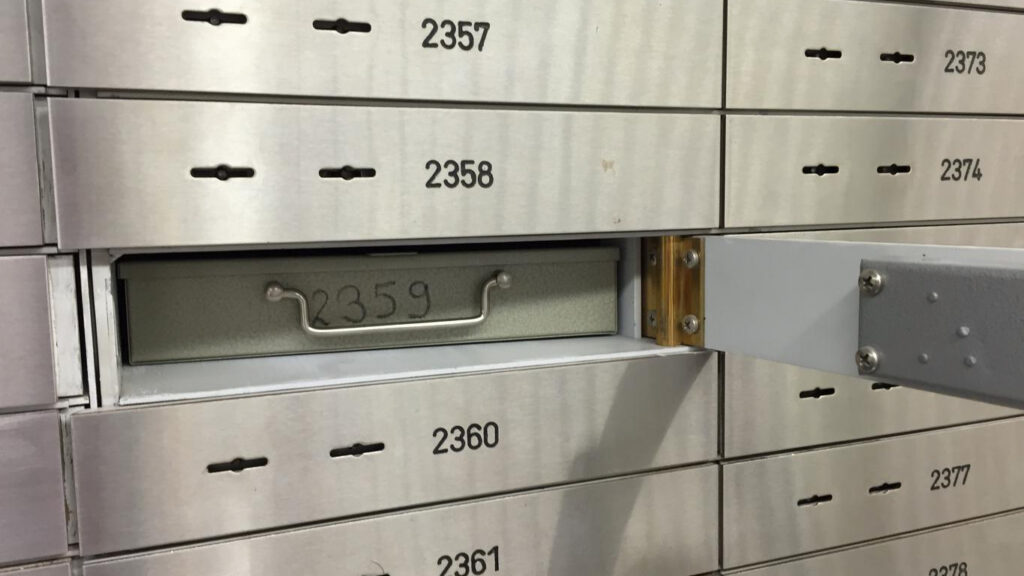
- In a safe deposit box: Texas law allows a spouse, parent, or adult child of the deceased, or a person named as executor who presents a copy of the will, to examine the box for a will or burial instructions without a court order. Make sure someone knows which bank holds the box and where the key is.
- With the county clerk: Texas allows you to deposit a will with the county clerk for safekeeping. This is optional and does not change how the will is treated in probate.
If you store them in your home, consider a fireproof and waterproof safe or lockbox so they’re protected from flood, fire and other hazards.
If you store them in a safe deposit box for extra security, know that accessing them may be challenging for your loved ones in case of an emergency. Unless you’ve signed the appropriate paperwork at your bank giving them access to the safe deposit box, your loved ones may need a court order to access it, which can cause delays during an already difficult time.
Make Sure the Right People Know Where You Keep Your Documents
All the work you’ve put into creating your estate plan won’t be of any use if nobody knows where to find them.
A woman I will call Sue called me after her 67-year-old mother had a stroke that left her unable to speak, write, or care for herself. Her mother had signed a power of attorney naming Sue and had told her where it was. But she had later moved it without telling anyone. Sue searched the entire house and could not find it. Her mother had done everything right except the last step.
You should tell people you’ve named as your executor, trustee, and agents under your powers of attorney where to find your estate planning documents so they can access them when necessary. I tell my clients to share this information at least once a year – I do it right before I leave on vacation – because we often forget where we store our own important documents, let alone someone elses.
Talk to Your Family About the Plan
Families are far more likely to be satisfied with how an estate is settled when they understood the plan in advance, and far more likely to feel hurt or suspicious when it was kept secret. That is especially true in blended families and when a parent leaves children unequal shares. If your plan treats children differently, explain why while you can. See estate planning in blended families.
If You’ve Created a Revocable Trust, Fund It
If you’ve created a revocable trust, signing your trust agreement is just the beginning. A trust only controls property that you’ve transferred to it. If you have real estate, deed it to the trust. You should retitle financial accounts. Beneficiary designations on assets such as retirement accounts and life insurance policies should direct those assets to the trust after you die.
Review Beneficiary Designations
It’s important that you coordinate assets that pass by beneficiary designations, such as life insurance policies, brokerage accounts, and retirement accounts, with your estate plan. These types of assets pass directly the named beneficiaries, regardless of what your Will says.
Review Your Estate Plan Periodically
Estate planning is not a one-time event. Events that should trigger a review include marriage, divorce, the birth or adoption of a child, a significant change in your financial situation, or a move do a different state. Tax laws change periodically, and strategies that worked when you created your plan may be outdated.
It’s generally a good idea to review your estate planning documents every three to five years to ensure they are still accomplishing your estate planning goals.
To learn more about storing essential estate planning documents, read: Where Should I store My Estate Planning Documents.