

Texas
Intestacy Attorney
When someone dies without a valid will in Texas, state law determines who inherits the probate estate. Rania Combs Law helps families understand their rights after an intestate death and helps Texans create estate plans designed to prevent unintended results and unnecessary uncertainty.
- Licensed in Texas
- 30+ Years Experience
- Flat-Fee Pricing

What is intestacy?
When Texas Law Decides Who Inherits
Many people assume their property will automatically pass to their loved ones when they die. But if you die without a valid will, or your will doesn’t dispose of all your property, the Texas intestacy laws control who inherits.
These laws are rigid and inflexible. They determine who inherits and in what shares, based primarily on the deceased person’s marital status, descendants, and other surviving relatives. Because they don’t account for your unique family, relationships, or priorities, it may result in your property passing in ways you may not have chosen.
A will changes that. It puts you in control of what happens to your estate, who raises your children, and who handles your affairs, rather than leaving those decisions to a statutory formula.
How Intestacy Affects Families
Who Inherits Depends on Your Family Structure
Texas intestacy law does not produce the same result for every family. Distribution depends on whether the person who died was married, had children or other descendants, owned community or separate property, or left surviving parents, siblings, or more remote relatives. These rules can create unexpected results for spouses, unmarried partners, blended families, minor children, and families who inherit real estate together.
If You Are Married
Many people believe their spouse will inherit all the deceased spouse's estate, but that is not always the case. The result depends on whether the property is community or separate property and whether the deceased spouse had children or other descendants from another relationship. In blended families, estranged stepchildren may inherit a share of assets a surviving spouse was counting on.
If You Have Children
Without a will, you lose the opportunity to name a guardian who shares your values and parenting style. A judge makes that decision instead. On the financial side, intestacy provides no safeguards for a young person's inheritance. A court-appointed guardianship of the estate ends at eighteen, leaving children with full access to potentially large sums at an age many parents find uncomfortable..
If You Are Unmarried
Unmarried partners face some of the harshest results under intestacy. The law does not recognize a romantic partner as an heir unless the couple is legally married, meaning a long-term partner could be left with nothing, including no right to remain in a shared home. Property passes instead to blood relatives, or to the state if none can be found. Only a will can protect an unmarried partner.
If You Have a Blended Family
Intestacy can create especially significant consequences for blended families. Children from a previous relationship may inherit property that the deceased person expected a current spouse to receive. Stepchildren generally do not inherit from a stepparent solely because of the step-relationship unless a legally recognized parent-child relationship exists.
If You Own Real Estate
Real estate is a common source of conflict when someone dies without a will. When several heirs inherit real estate, they may become co-owners even if they disagree about whether the property should be occupied, retained, rented, or sold. The heirs and their ownership interests may need to be legally established before the property can be sold, refinanced, or transferred.
If No Heirs Can Be Found
Texas law looks to increasingly remote family relationships when identifying intestate heirs. If a person dies without a will and without any legally recognized heirs, their property may ultimately pass to the State of Texas through escheat. A basic will prevents that outcome, directing property to close friends or charities that reflect your values rather than leaving the decision to a statute.
After an Intestate Death
Settling an Estate Without a Will in Texas?
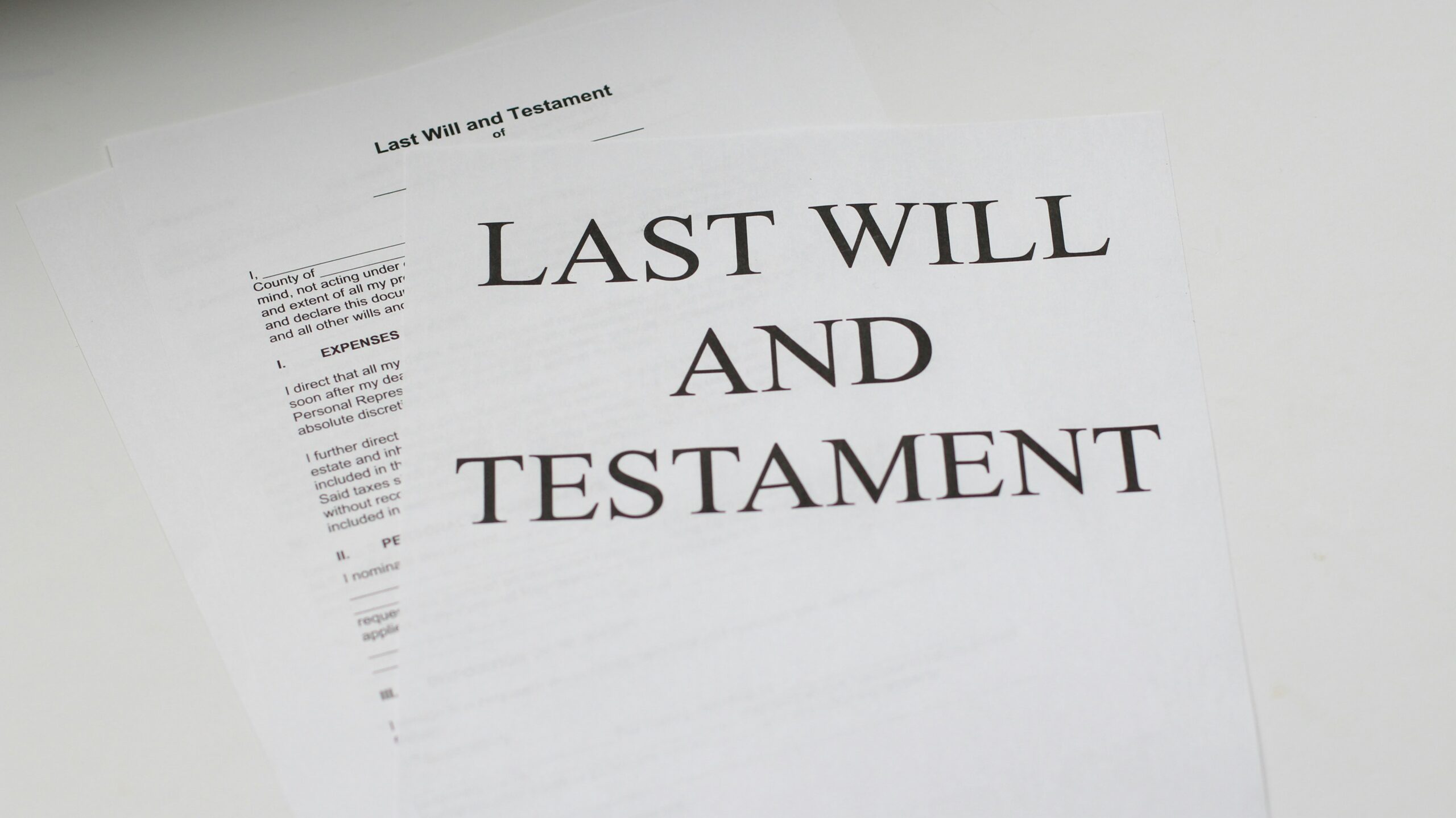
Intestacy doesn’t eliminate the need for probate. It changes what the process looks like. exas intestacy law determines who inherits and in what shares, based on factors like marital status, descendants, and other surviving relatives, but the family typically still needs to establish those heirs legally and determine who has authority to manage or transfer the deceased person’s property.
The correct procedure depends on the estate’s assets, debts, family structure, and ownership records. Depending on the circumstances, the family may need a determination of heirship, the appointment of an administrator, a small estate affidavit, an affidavit of heirship, or another legally available transfer method.
Before property can be distributed, probate and non-probate assets must be identified, valid debts resolved, each heir’s ownership interest confirmed, and the required transfers completed for financial accounts, personal property, business interests, or real estate.
Beyond the Will
Not Every Asset Passes Through Probate
Some assets transfer outside probate through a valid beneficiary designation, payable-on-death instruction, or right of survivorship. Because these assets generally do not pass under a will or Texas intestacy law, they must be reviewed separately when determining who receives property after a death.
Problems can arise when beneficiary designations are missing, outdated, or inconsistent with ownership records or the rest of an estate plan. In some cases, an asset may become payable to the estate and then pass through probate under a will or, if there is no valid will, under Texas intestacy law.
A complete estate plan reviews both probate and non-probate assets, aligning your will with your beneficiary designations so everything works together and nothing falls through the cracks.
Life Insurance
Life insurance proceeds generally pass to the named beneficiary. If no valid beneficiary is available and the proceeds are payable to the estate, they may become part of the probate estate.
Retirement Accounts
IRAs, 401(k)s, and similar retirement accounts generally pass according to their beneficiary designations. Those designations should be reviewed after marriage, divorce, a birth, a death, or another significant family change.
Payable-on-Death Accounts
A bank or financial account with a valid payable-on-death designation generally transfers to the named beneficiary rather than under a will or Texas intestacy law.
Jointly Held Property
Joint ownership alone does not always create a right of survivorship. Property passes automatically to the surviving owner only when the governing documents establish a valid survivorship arrangement.
Avoiding Intestacy
What a Will Provides That Texas Intestacy Law Cannot
Control Over Your Assets
A valid will allows you to choose who inherits your probate property and what each beneficiary receives. Without a will, Texas law distributes that property according to a fixed statutory formula.
Guardian for Your Children
A will allows you to nominate a guardian for your minor children. Although the court makes the final appointment, your nomination provides clear evidence of whom you trust to care for them.
A Simpler Probate Process
A properly prepared will can name an executor, authorize independent administration, and waive bond when appropriate. These provisions may reduce court involvement, delays, and administrative costs.
Fewer Family Disputes
A will provides legally enforceable instructions about your beneficiaries and the administration of your estate. Clear directions can reduce uncertainty and make disputes among family members less likely.
Working With Rania
How It Works
From the introductory consultation through final execution, each step is designed to help you understand the recommended plan, review the documents carefully, and complete the actions required to put the plan in place.
SCHEDULE AN INTRODUCTORY CONSULTATION
We start with a free introductory conference by telephone or video. I'll learn about your family, your goals, and what you want your last will and testament to accomplish.
RECEIVE A PLAN AND
FLAT-FEE QUOTE
Based on our conversation, I'll recommend the right planning structure and documents for your circumstances and provide a flat-fee quote before work begins. No surprises.
REVIEW AND REFINE
YOUR DOCUMENTS
I prepare your estate planning documents and share them through a secure client portal. You'll have time to review all the documents, and ask questions about your plan.
SIGN, FINALIZE,
AND COORDINATE
I'll walk you through the signing requirements with step-by-step instructions so your documents are properly executed and non-probate assets are coordinated with your estate plan.
Client reviews
What Clients Say About Working With Rania
I retained Rania to draft my complex estate plan, that involved multiple trusts, multiple beneficiaries, and all sorts of intricacies. Rania patiently worked with me over a period of ~2.5 years.
The Woodlands, TXI was nervous during my consultation with Ms. Combs, but she quickly put me at ease. She was very professional, knowledgeable, and patient with all of my questions.
TexasI read an article about estate planning and was led to Rania's article and website. I am so glad I found her. She was thorough, professional, and made the whole process easy.
TexasI retained Rania to draft my complex estate plan, that involved multiple trusts, multiple beneficiaries, and all sorts of intricacies. Rania patiently worked with me over a period of ~2.5 years.
The Woodlands, TXI was nervous during my consultation with Ms. Combs, but she quickly put me at ease. She was very professional, knowledgeable, and patient with all of my questions.
TexasI read an article about estate planning and was led to Rania's article and website. I am so glad I found her. She was thorough, professional, and made the whole process easy.
TexasCommon Questions
Texas Intestacy FAQ
Does a surviving spouse inherit everything in Texas?
What is the difference between intestacy and probate?
Who inherits when there is no will in Texas?
Can an unmarried partner inherit without a will?
Do stepchildren inherit under Texas intestacy law?
Is probate always required when someone dies without a will?
Can a small estate affidavit be used in Texas?
What happens to jointly owned property?
Does intestacy control life insurance and retirement accounts?
Can a handwritten will prevent intestacy in Texas?
Protect Your Family’s Future
Get Help With a Texas Intestate Estate or Prevent Intestacy
When someone dies without a will, questions about heirs, property ownership, and the correct legal procedure can delay the transfer of an estate. Planning ahead with a valid Texas will can prevent state law from deciding who inherits your probate property. Schedule a free introductory conference with Rania Combs Law to discuss an intestate estate or create a Texas estate plan.