

Texas
Trust Attorney
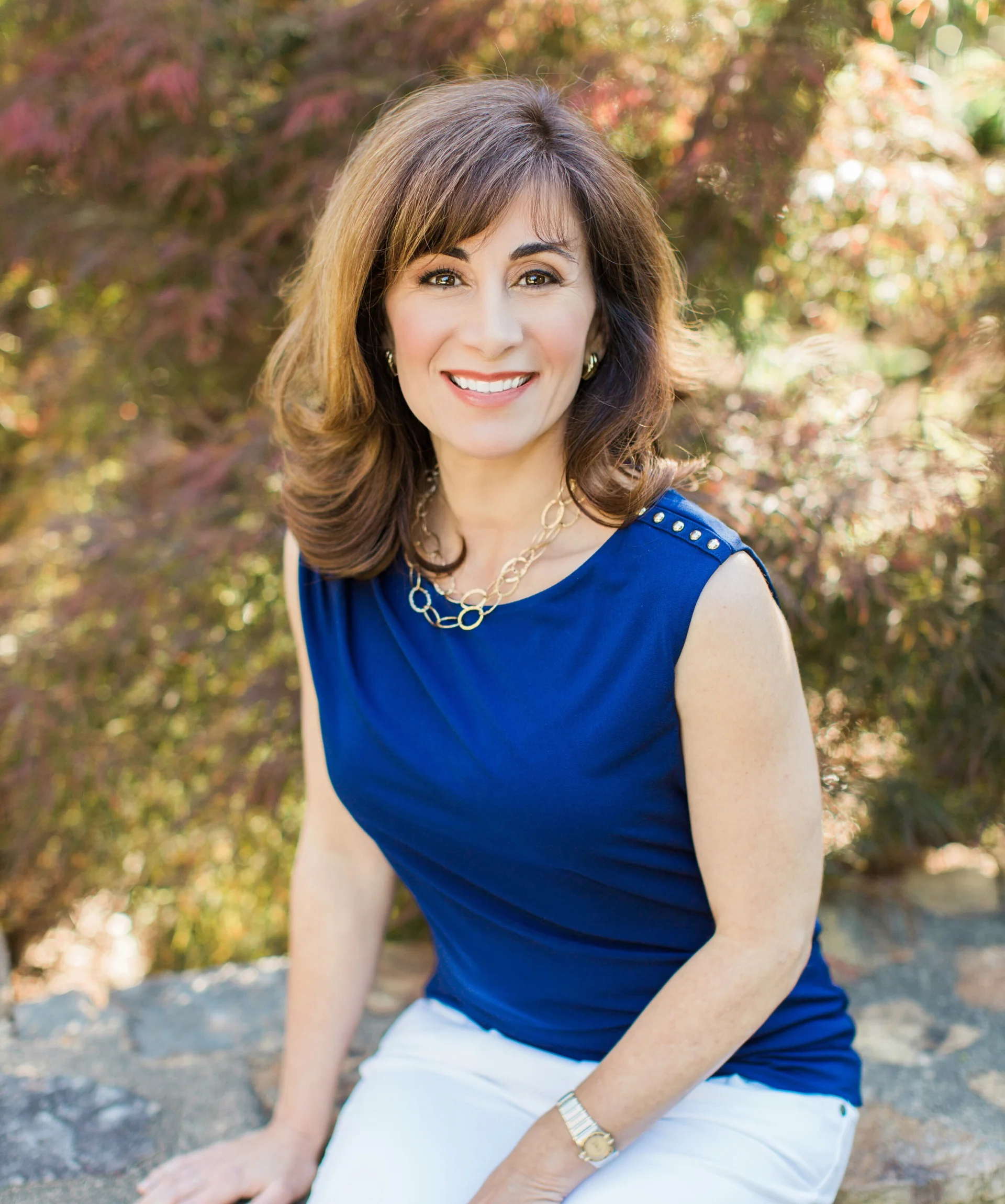
Rania Combs helps individuals and families throughout Texas determine whether a trust belongs in their estate plan. When a trust is appropriate, she prepares the trust and related estate planning documents, explains how the plan works, and provides clear guidance for funding it.
A properly designed trust can provide continuity if You become incapacitated, control how beneficiaries receive an inheritance, and reduce the assets that may need to pass through Texas probate.
- Licensed in Texas
- 30+ Years Experience
- Flat-Fee Pricing

Texas Trust Planning
What Is a Trust in Texas?
A trust is a legal arrangement created through a written trust agreement. A trustee holds and manages property for one or more beneficiaries according to the instructions in that agreement. The person who creates the trust is commonly called the grantor, settlor, or trustor.
In a typical revocable living trust, you may serve as the initial trustee and beneficiary while you are living. You continue to manage the trust property and may generally amend or revoke the trust while you are competent. You also name a successor trustee who can manage the trust property if you become incapacitated and administer it after your death.
Signing a trust agreement does not automatically transfer your assets to the trust. The trust governs only property transferred to it or made payable to it. Real estate, financial accounts, business interests, beneficiary designations, and other assets must be coordinated carefully with the terms of the trust.
For many Texas families, a trust works best as part of a broader estate plan that also includes a pour-over will, statutory durable power of attorney, medical power of attorney, directive to physicians, and other documents selected for the client’s circumstances.
Choosing Your Plan
Do You Need a Living Trust in Texas?
Not every Texas estate plan requires a living trust. Texas offers several ways to transfer property outside probate, including beneficiary designations, payable-on-death and transfer-on-death accounts, survivorship agreements, and transfer-on-death deeds. The right approach depends on what you own, how it is titled, who should receive it, and whether continuing management will be needed.
A will-based estate plan may be sufficient when your assets and intended distributions are straightforward and other non-probate arrangements already accomplish your goals.
A revocable living trust may be particularly useful when you:
- Own real estate in Texas and another state
- Want a successor trustee to manage trust assets during incapacity
- Want detailed trust and distribution terms to remain outside the public probate file
- Need an inheritance to remain under continuing trust management rather than pass directly to a beneficiary
- Are part of a blended family
- Need coordinated management of business interests, investments, or multiple substantial assets
- Are concerned about the practical burden probate could place on your family
A trust should solve a defined planning problem. During your introductory conference, Rania will evaluate whether a trust offers meaningful advantages for your circumstances or whether a will-based plan and other non-probate transfer tools would be more appropriate.
Trust Options
Common Types of Trusts
Trusts can be classified by whether they are revocable, when they take effect, or the purpose they serve. These categories may overlap. For example, a trust designed for life insurance, charitable planning, or Medicaid planning is generally also irrevocable. The appropriate structure depends on your property, family circumstances, desired level of control, and planning goals.
Revocable Living Trust
A revocable living trust allows you to retain control of the trust property and generally amend or revoke the trust while you are competent. Properly funded assets can be managed by a successor trustee during incapacity and administered without probate after death.
Irrevocable Trust
An irrevocable trust generally requires you to give up greater control over transferred property. Depending on its terms and purpose, it may support tax planning, beneficiary protection, charitable planning, or other objectives that a revocable trust cannot accomplish.
Testamentary Trust
A testamentary trust is created under a will and begins after death. It does not avoid probate, but it can provide continuing management for beneficiaries who should not receive an inheritance outright.
Children’s Trust
A children’s trust holds and manages an inheritance for a minor or young beneficiary. The trustee may use the funds for education, health care, support, and other stated purposes before distributing the remaining property at selected ages or milestones.
Lifetime Asset Protection Trust
A lifetime asset protection trust keeps an inheritance in trust rather than distributing it outright. Depending on its terms and administration, it may provide continuing financial management and some protection from creditor, divorce, or poor-spending risks.
Special Needs Trust
A special needs trust can provide supplemental support for a beneficiary with a disability while helping preserve eligibility for means-tested public benefits. Its terms and distributions must be coordinated carefully with the benefits the beneficiary receives.
Irrevocable Life Insurance Trust
An irrevocable life insurance trust, commonly called an ILIT, owns or receives life insurance for designated beneficiaries. When properly structured and administered, it may provide controlled management of the proceeds and support estate-tax planning goals.
Charitable Trust
A charitable trust can provide benefits to charitable organizations, individuals, or both. Depending on its structure, it may support charitable giving, income planning, and estate- or gift-tax objectives.
Spousal Lifetime Access Trust
A spousal lifetime access trust is an irrevocable trust created by one spouse for the benefit of the other. It can remove assets from the taxable estate while still allowing indirect access to trust funds through the beneficiary spouse, making it a tool often used in estate- and gift-tax planning.

Wills and Trusts
Revocable Living Trust vs. Will in Texas
A will and a revocable living trust perform different functions. Many trust-based estate plans include both documents.
What a Texas Will Does
A will directs who should receive property that is subject to probate, names an executor, and can nominate guardians for minor children. After death, the will generally must be admitted to probate before the executor has authority to administer the probate estate.
A will does not control property that passes through a beneficiary designation, survivorship arrangement, transfer-on-death provision, or funded trust.
What a Revocable Living Trust Does
A revocable living trust can govern trust property during your lifetime, during incapacity, and after death. Property properly transferred or made payable to the trust can generally be managed by a successor trustee without first passing through probate.
A living trust does not nominate guardians for minor children and does not eliminate the need for a will.
Why a Trust Plan Still Includes a Will
A pour-over will directs qualifying property left in your individual name to the trustee of your living trust. That property may still need to pass through probate before it reaches the trust, so a pour-over will serves as a backup rather than a substitute for proper trust funding.
The will also addresses matters that must or should be handled through a will, including the nomination of guardians for minor children.
Which Plan Is Right for You?
The appropriate plan does not depend solely on the value of your estate. Relevant considerations include the type and location of your property, how your assets are titled, your family circumstances, incapacity-planning goals, desired level of privacy, and whether beneficiaries need continuing trust management.
For some Texans, a will-based plan and carefully coordinated non-probate transfers are sufficient. For others, a revocable living trust provides meaningful advantages. The right plan is the one that addresses your circumstances without adding unnecessary complexity.
Trust Funding
How to Fund a Living Trust in Texas
Creating a living trust is only the first step. The trust can control only the property transferred or otherwise directed to it, so deeds, account ownership, business interests, and beneficiary designations must be coordinated with the trust agreement.
Not every asset should be retitled in the name of the trust. Some property remains individually owned and passes through a beneficiary designation, survivorship agreement, transfer-on-death provision, or another non-probate method. The goal is not to place every asset in the trust, but to ensure that each asset passes and is managed according to the overall estate plan.
A pour-over will can direct qualifying property left in your individual name to the trust after death. However, that property may still require probate before the trustee receives it, which is why proper funding remains essential.
Transfer Appropriate Real Estate
Texas real estate can often be transferred to a revocable living trust through a properly prepared and recorded deed. Property located in another state must be transferred under that state’s laws and recording requirements.
Retitle Appropriate Financial and Business Assets
Non-retirement bank, brokerage, and investment accounts may often be retitled in the name of the trust. Personal property and business interests may require an assignment or another asset-specific transfer document.
Coordinate Beneficiary Designations
Retirement accounts and life insurance generally remain outside the trust and pass through beneficiary designations. Naming the trust or individual beneficiaries requires careful coordination with the intended distribution plan and applicable tax rules.
Review and Maintain the Funding Plan
New assets do not automatically become trust property. Review the funding plan after major financial, property, business, or family changes to ensure that the trust continues to work as intended.
Trust Benefits
Benefits of a Living Trust in Texas
A properly designed and funded living trust can provide benefits during your lifetime, during incapacity, and after death. The results depend on which assets are transferred to the trust, how the trust is drafted, and how it is coordinated with the rest of your estate plan.
Reduce Need For Probate
Assets properly transferred to a living trust can generally be managed and distributed by the successor trustee without a probate proceeding. Property outside the trust may still require probate unless it passes through another valid non-probate arrangement.
Continuity During Incapacity
A successor trustee can manage trust property if you become unable to serve. This may reduce the need for court involvement concerning those assets, although the trust does not replace financial and medical powers of attorney.
Keep Trust Terms More Private
A trust agreement is not ordinarily filed in a probate court merely because the grantor dies. This can keep detailed beneficiary and distribution provisions outside the public probate file, although disclosure may still be required in certain circumstances.
Protect and Manage an Inheritance
A revocable living trust can create separate trusts for minor or adult children rather than distributing property to them outright. This can protect the inheritance from creditor claims, poor financial decisions, and divorce-related risks until a child is mature enough to manage the assets directly.
Coordinate Out-of-State Property
Transferring out-of-state real estate to a living trust may reduce the need for a separate ancillary probate proceeding in every state where you own property. Each property must be transferred in accordance with the law and recording requirements of the state where it is located.
Plan for a Blended Family
It can create an irrevocable trust that provides for a surviving spouse while preserving remaining property for children from a prior relationship. The document can define the spouse’s rights, select who will manage the assets, and state when the remaining property passes to descendants.

State-Specific Planning
Texas Trust Planning Considerations
A trust created for a Texas resident should be coordinated with Texas property law, marital property rules, homestead protections, and the duties imposed on trustees. These issues affect how property is transferred to the trust, who may manage it, and how the trust will operate during incapacity and after death.
Texas Homestead Property
A Texas residence can often be transferred to a revocable living trust, but the deed and trust provisions must be prepared carefully. The transfer should preserve applicable homestead protections and property-tax exemptions while accounting for title insurance, mortgage terms, ownership, and the rights of each spouse.
Community and Separate Property
For married couples, trust and funding documents should preserve the intended characterization of community property and separate property. Careless retitling or incomplete records can create uncertainty regarding ownership after incapacity, divorce, or the death of a spouse.
Selecting and Empowering a Successor Trustee
A successor trustee may be responsible for managing investments, maintaining records, paying expenses, filing tax returns, communicating with beneficiaries, and making distributions. The trust should identify who will serve, define the trustee’s authority, and establish procedures for resignation, removal, and replacement.
Trustee Duties and Beneficiary Rights
The trustee must administer the trust according to its terms and applicable fiduciary duties. The document should clearly describe distribution standards, accounting responsibilities, compensation, and the information beneficiaries are entitled to receive. Clear provisions can reduce uncertainty and the potential for disputes.
Digital Assets and Online Accounts
A complete trust plan should address online financial accounts, electronically stored records, digital property, and access credentials. Trust provisions should be coordinated with powers of attorney, provider-specific access tools, and other estate planning documents governing digital assets.
Working With Rania
How Trust Planning Works
From the introductory consultation through final execution, each step is designed to help you understand the recommended plan, review the documents carefully, and complete the actions required to put the plan in place.
SCHEDULE AN INTRODUCTORY CONSULTATION
We start with a free introductory conference by telephone or video. I'll learn about your family, your goals, and what you want your last will and testament to accomplish.
RECEIVE A PLAN AND
FLAT-FEE QUOTE
Based on our conversation, I'll recommend the right planning structure and documents for your circumstances and provide a flat-fee quote before work begins. No surprises.
REVIEW AND REFINE
YOUR DOCUMENTS
I prepare your estate planning documents and share them through a secure client portal. You'll have time to review all the documents, and ask questions about your plan.
SIGN, FINALIZE,
AND COORDINATE
I'll walk you through the signing requirements with step-by-step instructions so your documents are properly executed and non-probate assets are coordinated with your estate plan.
Client reviews
What Clients Say About Working With Rania
Texas clients describe Rania as knowledgeable, patient, and thorough. Their reviews reflect her clear guidance through trusts, wills, plan updates, and comprehensive estate planning.
I retained Rania to draft my complex estate plan, that involved multiple trusts, multiple beneficiaries, and all sorts of intricacies. Rania patiently worked with me over a period of ~2.5 years.
The Woodlands, TXI was nervous during my consultation with Ms. Combs, but she quickly put me at ease. She was very professional, knowledgeable, and patient with all of my questions.
TexasI read an article about estate planning and was led to Rania's article and website. I am so glad I found her. She was thorough, professional, and made the whole process easy.
TexasI retained Rania to draft my complex estate plan, that involved multiple trusts, multiple beneficiaries, and all sorts of intricacies. Rania patiently worked with me over a period of ~2.5 years.
The Woodlands, TXI was nervous during my consultation with Ms. Combs, but she quickly put me at ease. She was very professional, knowledgeable, and patient with all of my questions.
TexasI read an article about estate planning and was led to Rania's article and website. I am so glad I found her. She was thorough, professional, and made the whole process easy.
TexasCommon Questions
Frequently Asked Questions About Texas Trusts
Do I need a living trust, or is a Texas will enough?
Does a living trust avoid probate in Texas?
What does it mean to fund a living trust?
Should I put my Texas home in a living trust?
Can a living trust own property in another state?
Can I be the trustee of my own living trust?
Can I change or revoke my living trust?
Does a revocable living trust protect my assets from creditors?
Can a living trust prevent a guardianship?
What happens to a living trust when the grantor dies?
What is a pour-over will?
Does a living trust reduce estate taxes?
Does a living trust require a separate tax return?
How often should I review my living trust?
How much does it cost to create a trust in Texas?
Start Your Plan
Speak With a Texas Trust Attorney
A trust should reflect your property, family relationships, incapacity concerns, and goals for your beneficiaries while working together with the rest of your estate plan. Schedule a free introductory conference with Rania Combs to determine whether a trust-based plan is appropriate for your circumstances and how it should be structured and funded.