

Texas
Will Attorney
Create a personalized Texas will that names your beneficiaries and executor, nominates guardians for minor children, and directs how property within your probate estate should be distributed and administered.
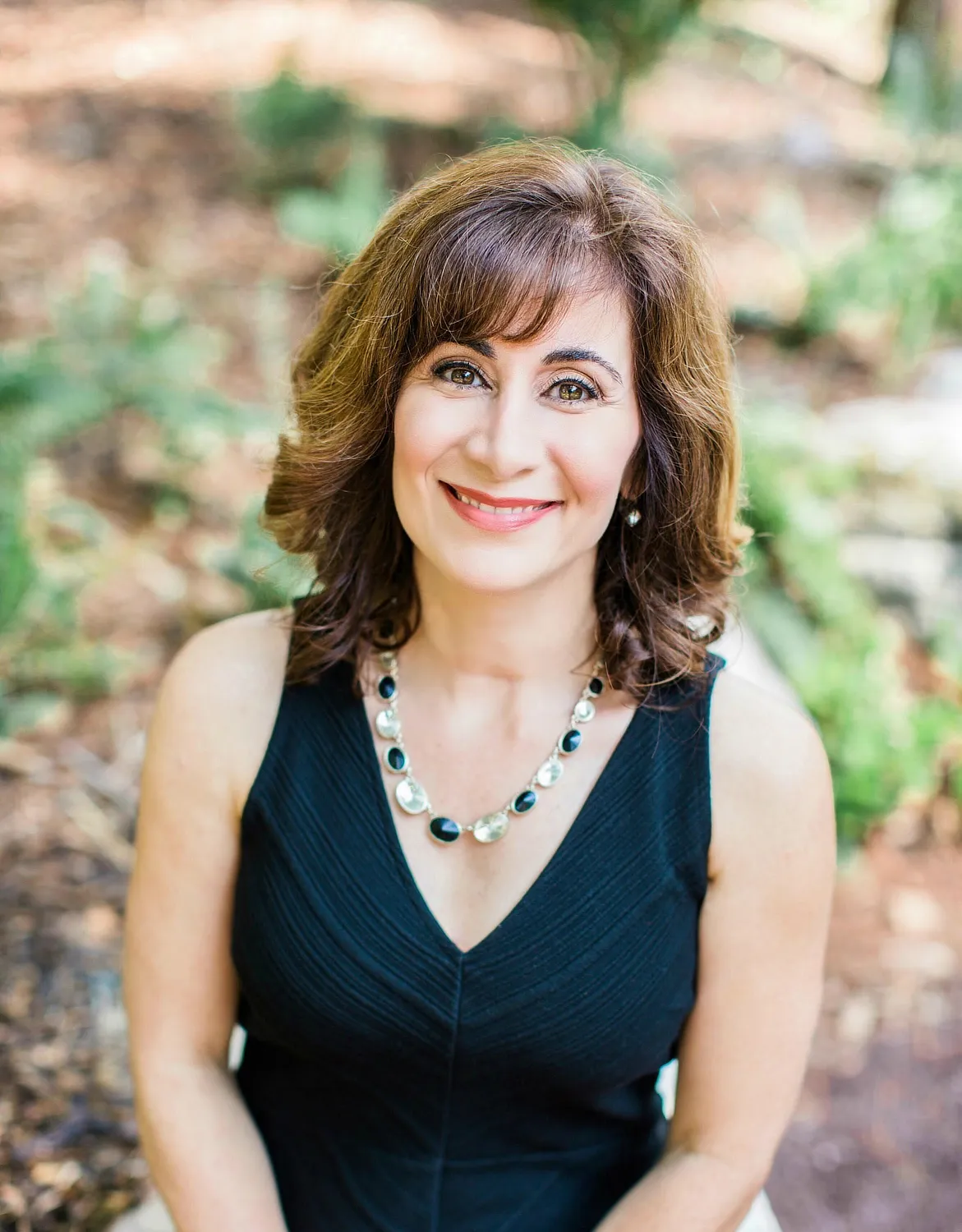
Rania Combs Law provides flat-fee will preparation for individuals and families throughout Texas. Each will is drafted around your family, property, beneficiaries, and instructions rather than taken from a standard form.
- Licensed in Texas
- 30+ Years Experience
- Flat-Fee Pricing

Will Planning Basics
What Is a Last Will and Testament in Texas?
A Last Will and Testament is a legal document that directs how property within your probate estate should be handled after your death. It can identify beneficiaries, name the person you want to serve as executor, nominate guardians for minor children, make specific gifts, and create trusts for beneficiaries who should not receive an inheritance outright.
A will takes effect at death but does not automatically give the named executor authority to act. Rather, the will must be admitted to probate, and the executor must qualify and receive letters testamentary before administering the estate.
Without a valid will, Texas intestacy law determines who inherits your probate property according to legally recognized family relationships. Those rules do not consider personal closeness, informal promises, or the instructions your family believes you would have wanted followed.
A properly coordinated will allows you to provide written instructions for your probate property and creates a practical framework for administering the estate.
What Your Will Can Do
What Does a Texas Will Lets You Decide?
Name Your Beneficiaries
Identify the people, organizations, or charities that should receive the real estate, financial assets, business interests, vehicles, personal belongings, and other property controlled by your will.
Name an Executor
Choose the person or qualified institution you want to administer your estate after qualifying and receiving legal authority through the Texas probate process.
Simplify Probate
A properly drafted Texas will can request independent administration, reducing the need for court approval before the executor makes many routine estate-management decisions.
Nominate Guardians
Identify the person or people you would want to care for your children if both parents have died. Without your nomination, a judge who doesn't know you or your values will decide.
Create Testamentary Trusts
Direct an inheritance into a trust created under your will. You can select a trustee, establish standards for using and distributing the property, and determine when a beneficiary should receive direct control.
Make Specific Gifts
Leave particular property or money to specific selected beneficiaries and direct where the remainder of your probate estate should pass after other gifts, expenses, and obligations are addressed.

Execution Requirements
What Makes a Will Valid in Texas?
Texas recognizes formal witnessed wills and qualifying holographic wills. Each must satisfy the execution requirements that apply to that form of will.
Formal Witnessed Wills
A formal Texas will generally must be in writing and signed by the testator or by another person acting in the testator’s presence and at the testator’s direction. It must also generally be attested by at least two credible witnesses who are at least 14 years old and who sign the will in the testator’s presence.
Holographic Wills
A holographic will must be written entirely in the testator’s handwriting and signed by the testator. Attesting witnesses are not required, but unclear language, incomplete gifts, inconsistent provisions, and questions concerning the handwriting or testamentary intent can complicate probate.
Self-Proving a Will
Notarization does not ordinarily replace the witnesses required for a formal Texas will. A notary is commonly involved in completing a self-proving affidavit or another authorized self-proving procedure. When properly completed, self-proving provisions can reduce the ordinary need to obtain witness testimony establishing that the will was correctly executed.
Rania provides Texas-specific execution instructions so clients understand how the will and any related self-proving documents must be signed and completed.
Planning for Administration
What Administrative Provisions Can a Texas Will Include?
A Texas will should do more than identify beneficiaries. In addition to requesting independent administration, it can provide detailed instructions and authority that help the executor manage property, address obligations, and distribute the estate. The appropriate provisions depend on the assets involved and how you want the administration handled.
Name Successor Executors
Identify one or more alternate executors who may serve if your first choice dies, becomes incapacitated, declines the appointment, or is otherwise unable to qualify.
Address Bond Requirements
A properly drafted will may provide that the executor is not required to post a bond when Texas law permits, avoiding an expense and administrative requirement that may otherwise apply.
Grant Property-Management Authority
Authorize the executor to manage, sell, lease, invest, divide, or distribute estate property without requiring separate instructions for every routine transaction.
Address Debts, Expenses, and Taxes
Provide guidance for handling enforceable debts, administration expenses, taxes, and other obligations before the remaining estate is distributed to beneficiaries.
Allow Flexible Distributions
Permit the executor to distribute beneficiaries’ shares in cash, in property, or through an appropriate combination of both, rather than requiring every asset to be sold.
Provide Backup and Coordination Provisions
Name alternate beneficiaries, address property left to a beneficiary who does not survive you, and coordinate the will with testamentary trusts, a revocable living trust, and related estate-planning documents.

Coordinating Your Property
Which Assets Does a Texas Will Control?
A Texas will generally controls property that becomes part of your probate estate. It does not automatically govern assets that pass under a valid beneficiary designation, survivorship agreement, deed, trust, or other nonprobate transfer arrangement.
Assets that may pass outside your will include:
- Life insurance with a valid beneficiary designation
- Retirement accounts with named beneficiaries
- Payable-on-death bank accounts
- Transfer-on-death investment accounts
- Property covered by a valid survivorship agreement
- Texas real estate transferred through a valid Transfer on Death Deed
- Property already held in a revocable or irrevocable trust
The transfer arrangement attached to an asset generally determines who receives it. Naming a different beneficiary in your will ordinarily does not redirect property that passes under a valid beneficiary designation or another effective nonprobate arrangement.
Your will should therefore be reviewed together with your account designations, deeds, trusts, and property ownership. Rania coordinates these elements to reduce the risk of inconsistent instructions or results that do not reflect your overall plan.
Personalized Will Planning
When Does a Texas Will Need More Detailed Planning?
The essential functions of a will remain the same, but some family relationships, beneficiary needs, and property arrangements require more detailed provisions and closer coordination with the rest of the estate plan.
Minor Children and Beneficiaries Requiring Ongoing Management
Parents of minor children may need to nominate preferred guardians and create testamentary trusts rather than leave property directly to a child. A guardian is responsible for the child’s care, while a trustee manages the inherited property under the terms of the trust. These roles do not have to be filled by the same person.
Trust planning may also be appropriate for a beneficiary with disabilities, a financially inexperienced beneficiary, or a beneficiary with an addiction. Your will can identify a trustee, establish how funds may be used, and provide instructions for when or under what circumstances the beneficiary may receive distributions.
Blended Families and Chosen Beneficiaries
A blended-family will may need to provide for a surviving spouse while preserving an intended inheritance for children from a prior relationship. The plan should account for the community or separate character of property and coordinate the will with beneficiary designations, survivorship arrangements, trusts, and property ownership.
A partner, unadopted stepchild, friend, caregiver, or charity should be expressly identified when you want that person or organization to receive probate property. Personal closeness alone does not substitute for clear instructions in a valid will.
Trusts, Business Interests, and Property Outside Texas
A pour-over will can coordinate with a revocable living trust by directing remaining probate property to the trust after death. It serves as a backup for property that was not transferred to the trust during life, but that property generally must still pass through probate before reaching the trust.
Business owners should coordinate their wills with governing documents, ownership agreements, and buy-sell arrangements. Real estate located outside Texas may also require planning for a separate estate proceeding under the law of the state where the property is located.
Without a Will
What Happens If You Die Without a Will in Texas?
When a person dies without a valid will, Texas intestacy law determines who inherits probate property that is not transferred through another valid arrangement. The outcome is based on statutory rules rather than the person’s informal instructions or personal relationships.
Texas Law Determines Who Inherits Property
The people entitled to inherit are determined by legally recognized family relationships, including whether the deceased person was married and which descendants or other relatives survived.
A Surviving Spouse May Not Inherit Everthing
Depending on whether property is community or separate, and whether the deceased had children from outside the marriage, a surviving spouse may not inherit the deceased spouse's estate.
Probate Can Take Longer and Cost More
Without a will, the court process to identify heirs, appoint an administrator, and distribute assets typically involves additional filings, hearings, and legal fees compared to an estate with a valid will.
Children's Inheritance is Court-Supervised
If a minor child inherits property, a guardian of the estate may need to be appointed and court approval obtained for many financial decisions, adding oversight that a trust in a will could have avoided.
Court Picks Guardian for Your Children
Without a will naming a preferred guardian, a court decides who raises minor children if both parents are gone without any written guidance on whom the parents would have chosen.
Chosen Beneficiaries May Receive Nothing
Stepchildren who were never legally adopted, and unmarried partners regardless of relationship length, receive nothing under intestacy law, even when the deceased intended to provide for them.

Life and Planning Changes
When Should You Create or Update a Texas Will?
Consider Creating a Will When You:
- Own a home, business, or other property
- Are married, have children, or are preparing for a child
- Want to choose your executor or nominate guardians for minor children
- Want an inheritance managed in trust rather than distributed outright
- Want to benefit an unmarried partner, unadopted stepchild, friend, caregiver, or charity
- Have recently moved to Texas or do not have a will prepared under Texas law
Review an Existing Will After:
- Marriage, divorce, separation, or remarriage
- The birth or adoption of a child
- The death, incapacity, or changed circumstances of a beneficiary, executor, trustee, or proposed guardian
- A significant purchase, sale, or change involving real estate, a business, assets, or debts
- A move to or from Texas or the acquisition of property in another state
- The creation, funding, amendment, or termination of a trust
- Changes to life insurance, retirement accounts, or other beneficiary designations
- A change in your relationships, charitable intentions, or preferred distribution of property
Working With Rania
How the Texas Will-Drafting Process Works
From the introductory consultation through final execution, each step is designed to help you understand the recommended plan, review the documents carefully, and complete the actions required to put the plan in place.
SCHEDULE AN INTRODUCTORY CONSULTATION
We start with a free introductory conference by telephone or video. I'll learn about your family, your goals, and what you want your last will and testament to accomplish.
RECEIVE A PLAN AND
FLAT-FEE QUOTE
Based on our conversation, I'll recommend the right planning structure and documents for your circumstances and provide a flat-fee quote before work begins. No surprises.
REVIEW AND REFINE
YOUR DOCUMENTS
I prepare your estate planning documents and share them through a secure client portal. You'll have time to review all the documents, and ask questions about your plan.
SIGN, FINALIZE,
AND COORDINATE
I'll walk you through the signing requirements with step-by-step instructions so your documents are properly executed and non-probate assets are coordinated with your estate plan.
Client reviews
What Clients Say About Working With Rania
Clients describe Rania as professional, knowledgeable, patient, and thorough when preparing new wills, updating existing documents, and addressing more complex planning involving trusts and multiple beneficiaries.
I retained Rania to draft my complex estate plan, that involved multiple trusts, multiple beneficiaries, and all sorts of intricacies. Rania patiently worked with me over a period of ~2.5 years.
The Woodlands, TXI was nervous during my consultation with Ms. Combs, but she quickly put me at ease. She was very professional, knowledgeable, and patient with all of my questions.
TexasI read an article about estate planning and was led to Rania's article and website. I am so glad I found her. She was thorough, professional, and made the whole process easy.
TexasI retained Rania to draft my complex estate plan, that involved multiple trusts, multiple beneficiaries, and all sorts of intricacies. Rania patiently worked with me over a period of ~2.5 years.
The Woodlands, TXI was nervous during my consultation with Ms. Combs, but she quickly put me at ease. She was very professional, knowledgeable, and patient with all of my questions.
TexasI read an article about estate planning and was led to Rania's article and website. I am so glad I found her. She was thorough, professional, and made the whole process easy.
TexasCommon Questions
Texas Wills FAQ
Do I need a will if I do not have many assets?
Do I need a will, a revocable living trust, or both?
Does a will avoid probate in Texas?
Can I write my own will in Texas?
Does a Texas will have to be notarized?
Can I nominate a guardian for my children in a Texas will?
Do beneficiary designations override a will?
What happens if I die without a will in Texas?
How much does it cost to have a Texas will prepared?
Can I work with a Texas will attorney online?
When should I update my Texas will?
Begin Your Plan
Create a Texas Will That Clearly Reflects Your Decisions
Schedule a free introductory consultation with Rania Combs Law to discuss your beneficiaries, proposed executor, guardian preferences, property, and planning priorities. You will receive a personalized recommendation and a written flat-fee quote before deciding whether to proceed.